18th November 2025
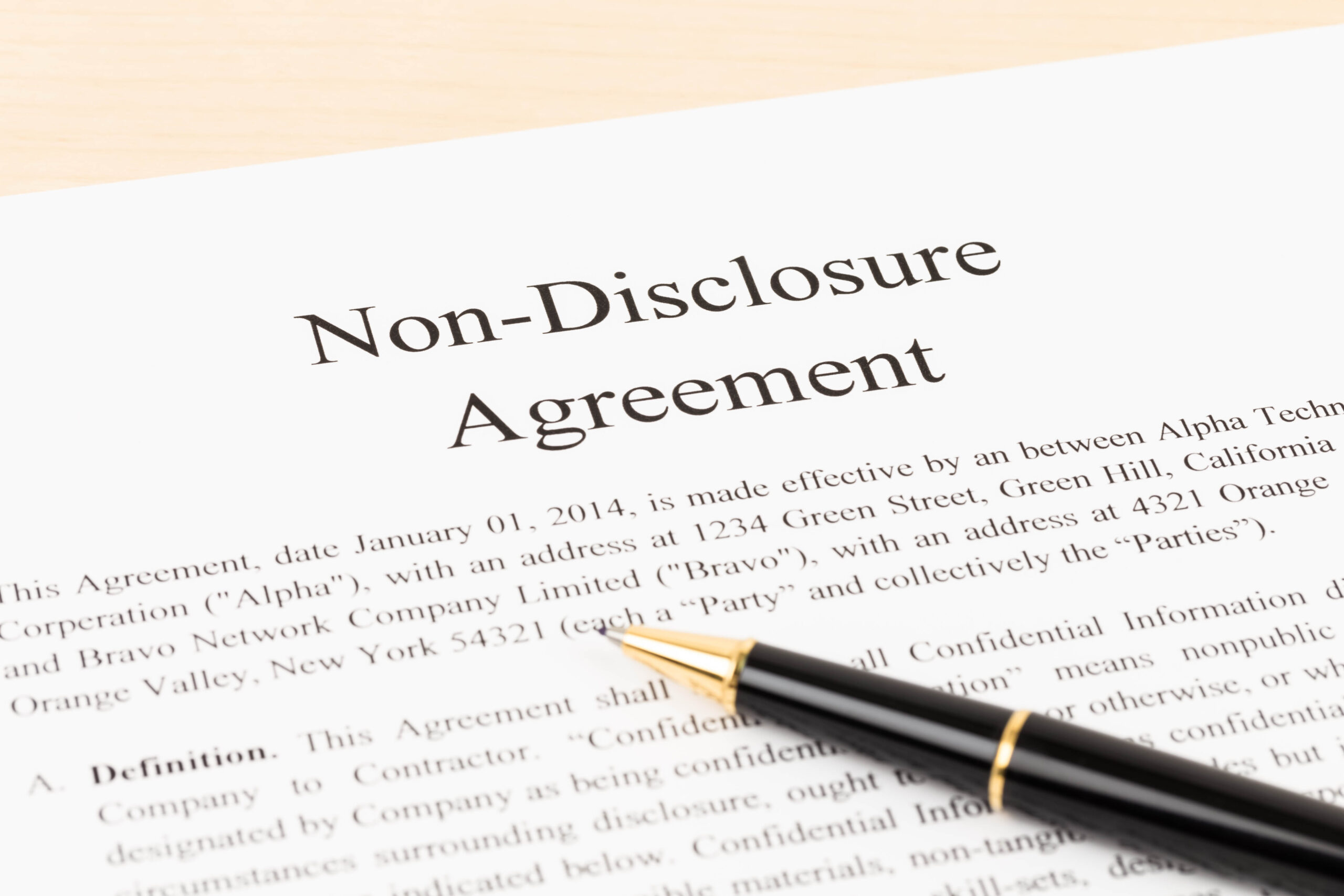
In today’s competitive marketplace, ensuring that your confidential data, trade secrets and intellectual property remain secure can make all the difference to your business’s success and reputation.
Non-Disclosure Agreements (NDAs), also called confidentiality agreements, help safeguard trade secrets and commercially valuable data. But while NDAs can be powerful tools, they’re not always appropriate. So, when should your business use one and when should you avoid it?
Jo Convey, Senior Associate Solicitor at Myers & Co, explains how to navigate the practical and legal considerations around NDAs, helping you decide when to use them, when to avoid them, and how to ensure they work as intended.

An NDA is a legally binding contract under English law that prevents parties from sharing confidential information.
NDAs can be unilateral (one-way) or mutual (two-way), and they should always be tailored to the situation. Overly broad or generic NDAs may be unenforceable, so legal advice is essential.
NDAs are designed to protect confidential information shared between parties. Common scenarios include:
Sharing a business plan, product concept, or proprietary strategy? An NDA ensures your ideas aren’t misused.
Outsourcing creative, technical, or strategic work? NDAs protect intellectual property and internal processes.
Include NDAs or confidentiality clauses in employment contracts for roles handling client lists, financial data, or proprietary systems.
During due diligence, NDAs safeguard financial and operational data – especially if selling to a competitor.
Accountants, marketing agencies, and legal advisors often require NDAs to clarify confidentiality expectations.
While NDAs are useful, overusing them or using them incorrectly can backfire. Avoid NDAs when:
Not every chat at a conference needs an NDA. Overuse can make you seem untrusting.
If the data is already public, an NDA adds unnecessary complexity.
Consider limiting what you disclose or using a mutual NDA instead.
Standard confidentiality clauses often suffice for roles without access to sensitive data.
Government reforms now make NDAs unenforceable if they attempt to prevent lawful reporting of wrongdoing.
NDAs should never be used to silence someone who needs to speak out. Recent government reforms put this principle into law, ensuring that confidentiality agreements cannot be misused to cover up wrongdoing.
Under the Victims and Prisoners Act 2024 (effective October 2025), NDAs cannot stop disclosures to:
These changes matter because they protect the most vulnerable. No business should use an NDA to hide harassment, discrimination, or criminal behaviour. Similarly, NDAs cannot override whistleblowing rights under the Employment Rights Act 1996, and forthcoming legislation will go even further by banning NDAs that attempt to silence complaints of harassment or discrimination.
A well-written NDA defines confidential information clearly, includes important carve-outs for legal obligations, and ensures your business secrets stay protected without overstepping the law.
Speak to Jo Convey and our Commercial Law team today for tailored advice on NDAs that work for your business. Give us a call or make a quick enquiry online.


